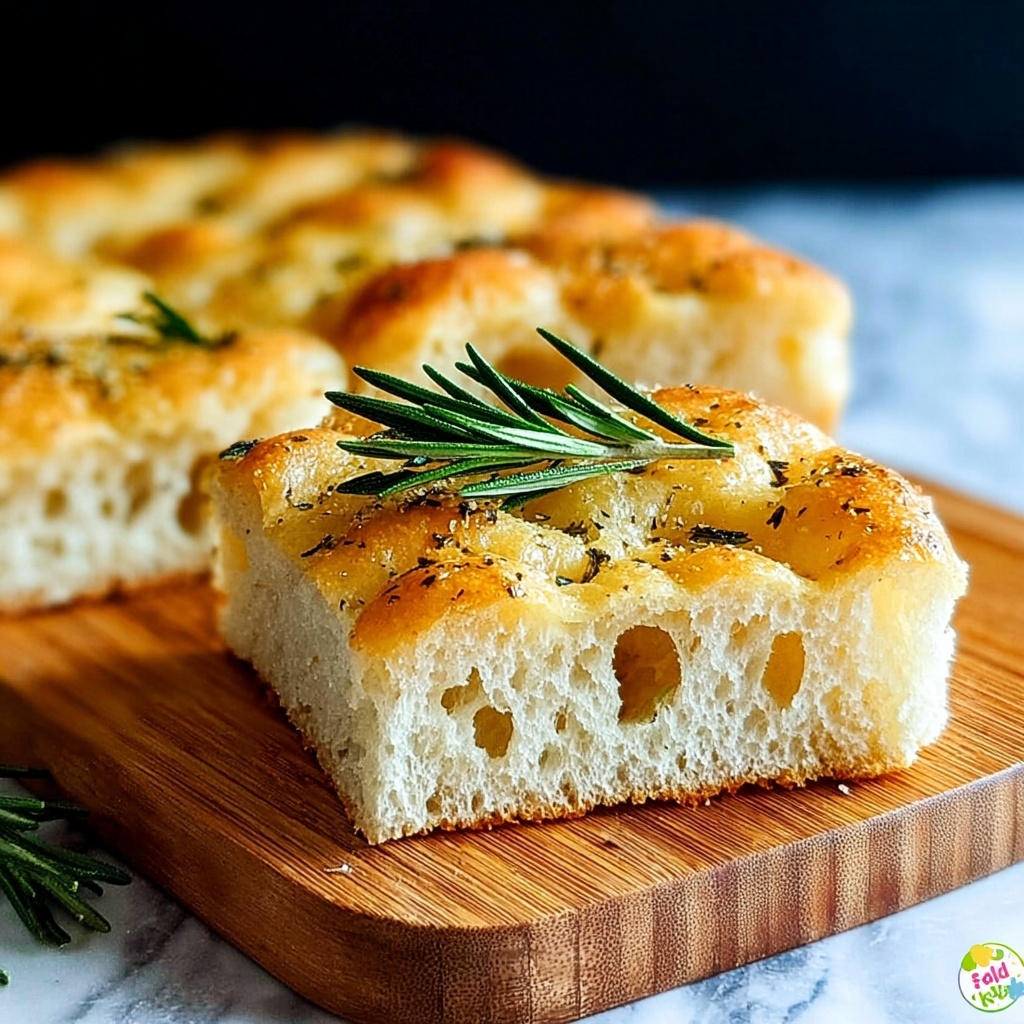
Getting the perfect golden crust with a tender, pillowy crumb inside might sound like a dream, but with this Homemade Focaccia Recipe, you’ll be amazed at how easily you can create this classic Italian bread right in your own kitchen. It’s an incredibly forgiving dough that captures the essence of Mediterranean simplicity, boasting wonderful olive oil richness and just the right sprinkle of salt and rosemary for that extra burst of aroma and flavor. Whether you’re new to breadmaking or a seasoned baker, this recipe feels like a warm, satisfying hug from the oven every time.
Ingredients You’ll Need
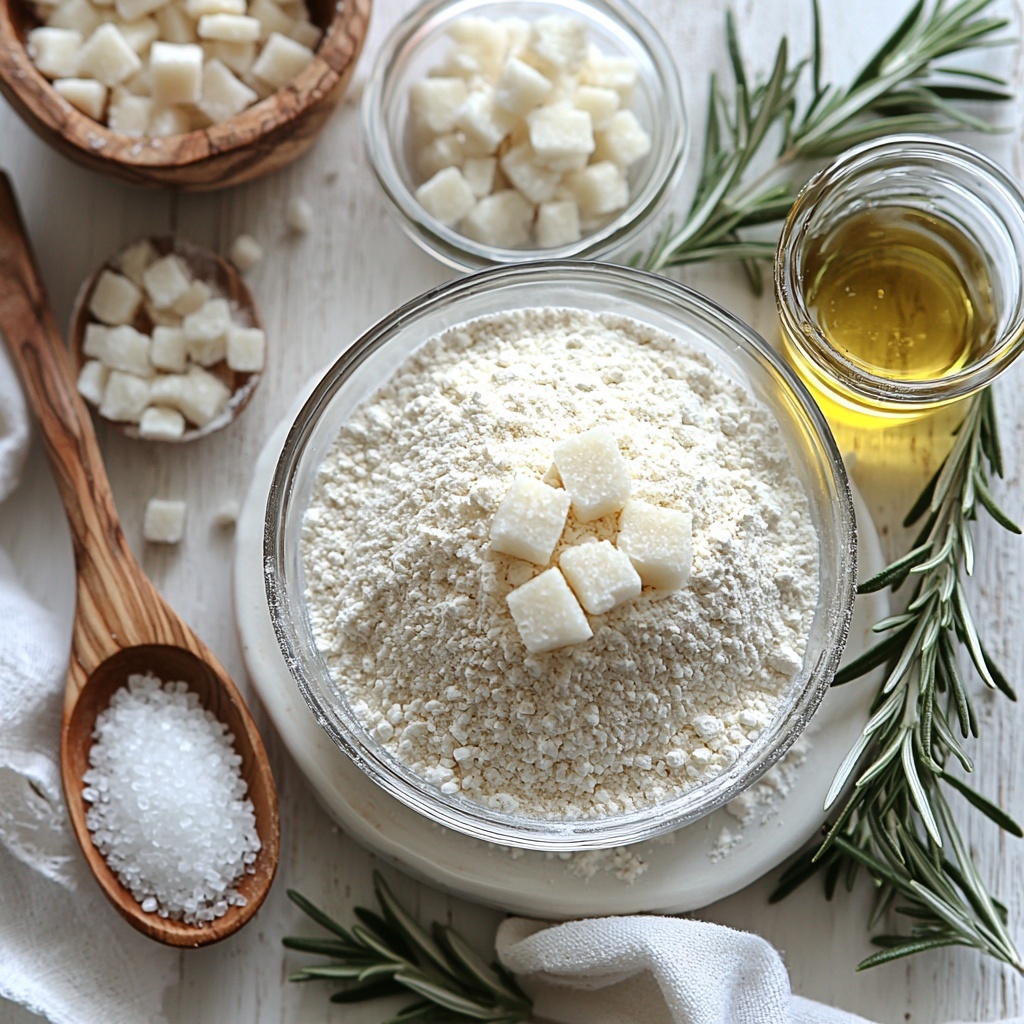
This recipe relies on a handful of basic yet essential ingredients that come together beautifully to create focaccia’s irresistible texture and flavor. Each ingredient plays a role: from the yeast that gives life to the dough, to the olive oil that provides that signature golden crust and depth of taste.
- 1¾ cups lukewarm water: The perfect temperature wakes the yeast gently without killing it, contributing to a great rise.
- 2 teaspoons instant dry yeast: Your dough’s little miracle workers that create bubbles and lightness.
- 2 teaspoons sugar: Feeds the yeast and helps develop a subtle caramelization during baking.
- 4 cups all-purpose flour: Forms the dough’s structure and determines the crumb’s softness and chew.
- 3 teaspoons salt: Enhances flavor and controls yeast activity for balanced fermentation.
- 4 tablespoons extra virgin olive oil (divided): Adds richness, moisture, and that irresistible Mediterranean flavor.
- 3 tablespoons water: Mixed with olive oil to dimple the dough and create a glossy finish.
- ½ teaspoon salt (optional flaky salt): Toasts atop the baked dough for crunch and bursts of savory saltiness.
- 3 pinches rosemary (optional): Infuses an earthy, piney aroma that’s simply classic on focaccia.
How to Make Homemade Focaccia Recipe
Step 1: Bloom the Yeast
Start by mixing lukewarm water, instant dry yeast, and sugar in a bowl. Let this mixture sit undisturbed for about 30 seconds. This quick ‘wake-up’ call activates the yeast and gets the fermentation process going, which is crucial for a light and airy bread.
Step 2: Combine Dry Ingredients
In a larger bowl, blend the all-purpose flour and salt, ensuring the salt is evenly distributed. Then pour the yeast mixture into the flour and gently stir until a sticky dough begins to form. This is where the base of your focaccia starts to come alive.
Step 3: Incorporate Olive Oil
Drizzle in most of the olive oil and knead it into the dough until it’s fully absorbed. The olive oil is what gives focaccia its signature tender crumb and rich flavor, so don’t skimp on it!
Step 4: Proof the Dough
Cover your bowl to keep the dough warm and moist, then let it rise. You can choose a quick method, leaving the dough to proof for about 1.5 to 2 hours at room temperature, or opt for a slow rise by refrigerating it for 8 to 24 hours, which develops an even deeper flavor and better texture.
Step 5: Stretch and Fold
Once your dough has proofed, fold it several times to tighten up its structure. This step helps build gluten strength and ensures an even crumb in the finished focaccia.
Step 6: Shape and Second Rise
Grease a baking pan generously with olive oil. Transfer your dough to the pan and gently stretch it out to fill the space. Cover it and let it rise again for about 45 minutes; this second rise improves the final texture and helps the dough become irresistibly airy.
Step 7: Dimple and Season
Using your fingers, dimple the surface of the dough deeply—a classic focaccia look and technique that holds onto all the delicious drizzle you’re about to add. Pour the remaining olive oil and water mixture evenly over the top. Sprinkle on optional rosemary and flaky salt for that extra aromatic and savory pop.
Step 8: Bake to Golden Perfection
Finally, bake your focaccia at 450°F (230°C) for 20 to 25 minutes or until the crust has turned a gorgeous golden brown. The aroma while baking will have you counting down the minutes until you can tear a warm piece straight from the pan.
How to Serve Homemade Focaccia Recipe
Garnishes
While rosemary and flaky salt are classic garnishes that elevate this focaccia, don’t hesitate to get creative. Try thinly sliced olives, caramelized onions, cherry tomatoes, or even a sprinkle of parmesan cheese right before baking to add layers of flavor and visual appeal.
Side Dishes
Homemade focaccia is incredibly versatile and pairs wonderfully with a variety of meals. Serve it alongside soups, salads, or as an accompaniment to pasta dishes. It also shines when served with a cheese board or dips like hummus and olive tapenade for casual snacking.
Creative Ways to Present
Layer your focaccia slices with fresh mozzarella, roasted veggies, or prosciutto for quick and elegant sandwiches. You might also cut it into small squares for party platters, or toast pieces lightly to accompany breakfast spreads with jam and butter.
Make Ahead and Storage
Storing Leftovers
Wrap leftover focaccia tightly in plastic wrap or store it in an airtight container at room temperature. It will stay fresh for up to two days, maintaining its delightful texture and flavor.
Freezing
If you want to enjoy your Homemade Focaccia Recipe longer, freeze it before baking or after it has cooled completely. Wrap tightly in foil and place in a freezer bag to prevent freezer burn. Frozen focaccia stays good for up to one month.
Reheating
To bring back that fresh-from-the-oven warmth and crispness, reheat focaccia in a preheated oven at 350°F (175°C) for about 10 minutes. Avoid microwaving as it can make the bread chewy or soggy.
FAQs
Can I use active dry yeast instead of instant dry yeast?
Yes, you can substitute active dry yeast for instant yeast, but you’ll want to proof the yeast in lukewarm water with sugar for about 5 to 10 minutes until frothy before adding it to the flour. This ensures the yeast is alive and active for your dough.
What if I don’t have rosemary? Can I use other herbs?
Absolutely! Rosemary is traditional, but thyme, oregano, or a mixture of Italian herbs can also add wonderful flavor profiles to your focaccia. Fresh or dried options can work just as well depending on your preference.
How thick should I make the dough when spreading it in the pan?
The dough should fill the pan evenly, typically about 1 to 1.5 inches thick. This thickness ensures a nice balance between a soft interior and a golden crust once baked.
Is it okay to skip the second rise?
While skipping the second rise will still result in edible focaccia, the bread might be denser and less airy. That second rise is key for getting the characteristic light, fluffy texture focaccia is loved for.
Can I add toppings before baking?
Definitely! Focaccia is very versatile, so toppings like sliced onions, olives, tomatoes, or cheese can be pressed into the dough before baking to create a custom flavor.
Final Thoughts
This Homemade Focaccia Recipe is a delightful way to bring a little piece of Italy into your kitchen. With such simple steps and straightforward ingredients, you’ll find that baking your own focaccia is as rewarding as it is delicious. I encourage you to try it out, experiment with your favorite toppings, and savor every warm, golden bite fresh from your oven!
Print
Homemade Focaccia Recipe
- Prep Time: 15 minutes
- Cook Time: 25 minutes
- Total Time: 2 hours 40 minutes (including quick proofing; up to 25 hours if using slow proofing)
- Yield: Approximately 12 servings
- Category: Bread
- Method: Baking
- Cuisine: Italian
Description
This homemade focaccia recipe yields a flavorful, golden-brown Italian flatbread with a soft, airy inside and a crispy crust. Made with simple pantry staples such as flour, yeast, olive oil, and rosemary, this focaccia is perfect as a side dish, sandwich base, or snack. The dough can be proofed quickly or slowly for added depth of flavor, and it’s topped with olive oil and optional flaky salt and rosemary for a fragrant finish.
Ingredients
Dough Ingredients
- 1¾ cups lukewarm water
- 2 teaspoons instant dry yeast
- 2 teaspoons sugar
- 4 cups all-purpose flour
- 3 teaspoons salt
- 4 tablespoons extra virgin olive oil (divided)
Topping Ingredients
- 3 tablespoons water
- ½ teaspoon salt (optional flaky salt)
- 3 pinches rosemary (optional)
Instructions
- Bloom the Yeast: In a small bowl, combine lukewarm water, instant dry yeast, and sugar. Let the mixture sit for about 30 seconds to activate the yeast slightly.
- Make the Dough: In a large bowl, mix the all-purpose flour and salt. Add the yeast mixture, stirring until a sticky dough forms.
- Add Olive Oil: Incorporate 3 tablespoons of the olive oil into the dough until fully combined, which helps develop texture and flavor.
- Proof the Dough: Cover the bowl with a towel or plastic wrap. Choose a quick proofing method by letting the dough rise for 1.5 to 2 hours at room temperature, or opt for a slow proof by refrigerating it for 8 to 24 hours for enhanced flavor development.
- Fold the Dough: After proofing, gently fold the dough several times to tighten the gluten structure and redistribute the yeast.
- Shape the Dough: Grease a baking pan with 1 tablespoon of olive oil. Spread the dough evenly into the pan. Allow the dough to rise again for about 45 minutes until puffy.
- Prepare for Baking: Use your fingers to dimple the surface of the dough. Drizzle the remaining olive oil mixed with 3 tablespoons water on top. Optionally, sprinkle rosemary and flaky salt over the surface for extra aroma and texture.
- Bake: Preheat your oven to 450°F (230°C). Bake the focaccia for 20 to 25 minutes until it turns golden brown and crisp on top.
Notes
- You can use regular salt if flaky salt is unavailable, but flaky salt adds a pleasant crunch.
- For a more pronounced rosemary flavor, gently press the leaves into the dough before baking.
- Slow proofing in the fridge develops richer flavors and better texture but requires planning ahead.
- The dough is sticky by design; avoid adding too much flour to maintain a light crumb.
- Serve focaccia warm or at room temperature, excellent with olive oil or as sandwich bread.