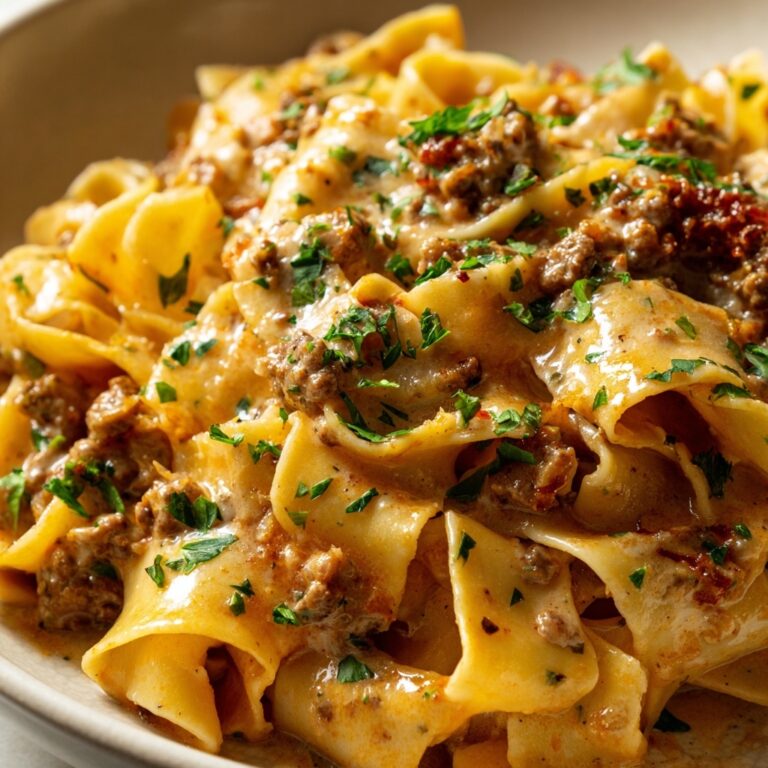
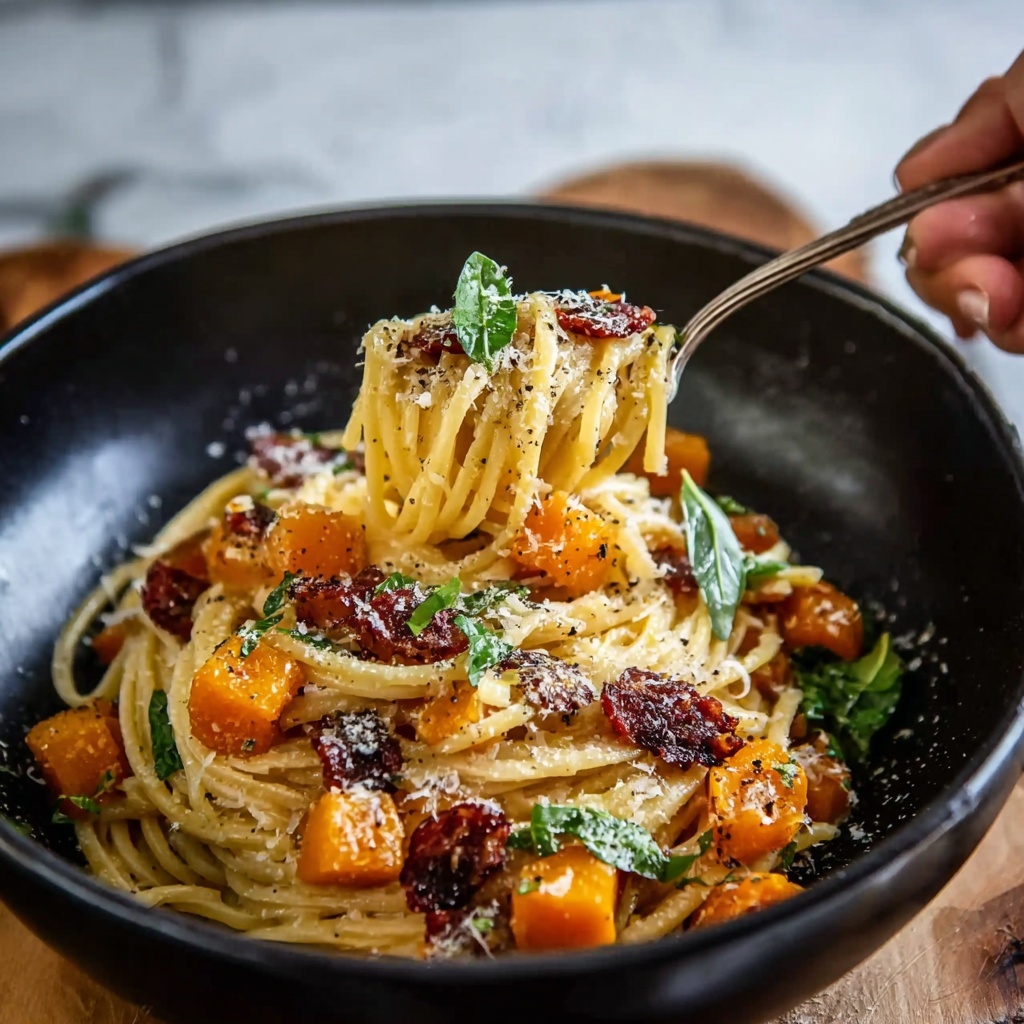
If you’re craving a dish that feels like a warm hug in pasta form, the Roasted Butternut Squash and Sage Pasta Recipe is ready to become your new favorite weeknight staple. This recipe effortlessly blends the natural sweetness of roasted butternut squash with the earthy aroma of fresh sage, all tied together with a creamy touch of Parmesan cheese. Each bite offers a beautiful harmony of flavors and textures that’s satisfying and comforting, yet elegant enough to share with family or friends. Trust me, once you try this, it will be a go-to whenever you want something deliciously cozy.
Ingredients You’ll Need
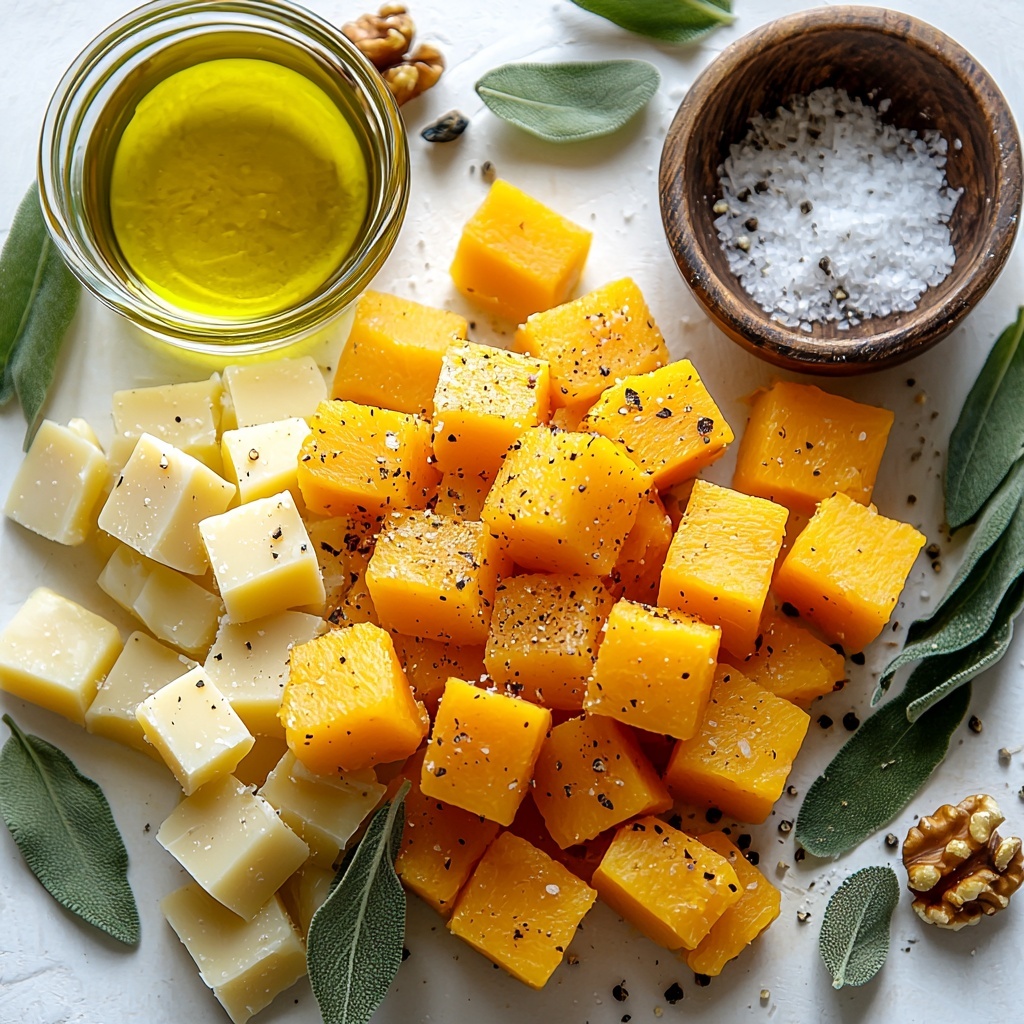
Every ingredient in this Roasted Butternut Squash and Sage Pasta Recipe plays a starring role, contributing to a balance of flavors, textures, and vibrant colors. From the creamy Parmesan that melts into the pasta, to the fragrant sage that wakes up the senses, these simple staples come together beautifully.
- 1 medium butternut squash, peeled and cubed: This provides sweetness and a hearty texture once roasted.
- 8 ounces pasta (penne or fettuccine): Choose your favorite shape; it acts as the perfect canvas for the sauce.
- 2 tablespoons olive oil: Used to roast the squash and sauté the sage, adding richness and depth.
- 2 tablespoons fresh sage, chopped: This herb adds an earthy, slightly peppery fragrance that elevates the whole dish.
- 1/2 cup grated Parmesan cheese: Melts into the pasta creating a creamy, salty finish.
- Salt and pepper to taste: Essential for balancing and enhancing all the flavors.
- Optional: 1/4 cup walnuts, toasted: Adds a lovely crunch and a nutty contrast.
How to Make Roasted Butternut Squash and Sage Pasta Recipe
Step 1: Roast the Butternut Squash
Start by preheating your oven to 400°F (200°C). Toss the peeled and cubed butternut squash in olive oil, salt, and pepper, ensuring every cube is well coated. Spread them out evenly on a baking sheet to allow even roasting. Roasting the squash until golden brown caramelizes its natural sugars, bringing out a rich sweetness that makes this dish shine.
Step 2: Cook Pasta to Perfection
While the squash roasts for about 25 to 30 minutes, cook your pasta according to the package instructions until al dente. Don’t forget to reserve some of the pasta water before draining; this starchy water is the secret to making your sauce beautifully creamy without adding any cream.
Step 3: Sauté Fresh Sage
In a skillet over medium heat, warm up a bit of olive oil and briefly sauté the chopped fresh sage for about 1 minute until it releases its fragrance. This quick step transforms the herb, infusing the oil with a delicious aroma that will coat the pasta and squash perfectly.
Step 4: Bring It All Together
Add the roasted butternut squash and the cooked pasta into the skillet with the sage-infused oil. Toss gently, incorporating a splash of the reserved pasta water as needed to create a silky, cohesive sauce that clings to every piece of pasta and cube of squash.
Step 5: Finish with Parmesan Cheese
Stir in the grated Parmesan cheese, allowing it to melt and become part of the creamy sauce. Taste and adjust with salt and pepper as needed. Serve immediately while everything is perfectly warm and inviting.
How to Serve Roasted Butternut Squash and Sage Pasta Recipe
Garnishes
To add a touch of elegance and texture, sprinkle some toasted walnuts or extra Parmesan cheese on top just before serving. Fresh sage leaves can also be added whole for a visual pop and an infusion of flavor with each bite.
Side Dishes
This pasta dish pairs beautifully with a crisp green salad dressed in a light vinaigrette to balance the richness. Roasted Brussels sprouts or a simple side of garlic bread can also round out the meal perfectly.
Creative Ways to Present
For a more festive presentation, serve the pasta in warm individual bowls garnished with whole sage leaves and a drizzle of good quality olive oil. Alternatively, toss in some pomegranate seeds for a surprising burst of color and a subtle tartness that complements the sweetness of the squash.
Make Ahead and Storage
Storing Leftovers
Store any leftover Roasted Butternut Squash and Sage Pasta Recipe in an airtight container in the refrigerator for up to 3 days. The flavors tend to deepen overnight, making it even better the next day.
Freezing
While this pasta tastes best fresh, you can freeze leftovers in a freezer-safe container for up to 1 month. Be sure to leave some space at the top to allow for expansion. Thaw overnight in the refrigerator before reheating gently.
Reheating
To reheat, warm the pasta slowly in a skillet over low heat with a splash of water or broth to restore the creamy consistency. Avoid microwaving if possible, as this can dry out the sauce and squash.
FAQs
Can I use other types of squash in this recipe?
Absolutely! While butternut squash is ideal for its sweetness and texture, you can try delicata or kabocha squash for a slightly different flavor profile. Just adjust roasting time as needed based on the squash you choose.
Is it necessary to use fresh sage?
Fresh sage brings the best flavor and aroma to this dish, but if you only have dried, use about one-third the amount since dried herbs are more concentrated. Add it earlier in the cooking process to hydrate and bring out its flavor.
Can I make this recipe vegan?
Yes! Simply substitute the Parmesan with a plant-based cheese or nutritional yeast for a cheesy flavor without dairy. Also, ensure the pasta you choose contains no eggs.
What pasta shapes work best for this recipe?
Penne and fettuccine are great choices because their surfaces hold the sauce well, but feel free to experiment with other shapes like rigatoni or farfalle depending on your preference.
How do I prevent the pasta from sticking when tossing with the squash?
Reserving pasta water is the key. This starchy water helps loosen the sauce, making it silky and ensuring the pasta and squash don’t stick together while enhancing the overall texture.
Final Thoughts
This Roasted Butternut Squash and Sage Pasta Recipe is one of those dishes that feels both special and approachable—perfect for cozy dinners or impressing guests with little fuss. The combination of roasted sweetness, fragrant sage, and creamy Parmesan is pure magic on a plate. I can’t wait for you to try it and fall in love with this comforting, flavorful pasta as much as I do!
Print
Roasted Butternut Squash and Sage Pasta Recipe
- Prep Time: 15 minutes
- Cook Time: 30 minutes
- Total Time: 45 minutes
- Yield: 4 servings
- Category: Main Course
- Method: Roasting and Stovetop
- Cuisine: Italian
- Diet: Vegetarian
Description
This Roasted Butternut Squash and Sage Pasta recipe features tender, flavorful roasted butternut squash tossed with sautéed fresh sage and pasta, finished with Parmesan cheese. It’s a comforting vegetarian dish perfect for fall, combining sweet and savory flavors with a creamy texture made from reserved pasta water.
Ingredients
Vegetables and Herbs
- 1 medium butternut squash, peeled and cubed
- 2 tablespoons fresh sage, chopped
Pasta and Dairy
- 8 ounces pasta (penne or fettuccine)
- 1/2 cup grated Parmesan cheese
Oils and Seasoning
- 2 tablespoons olive oil
- Salt and pepper to taste
Optional
- 1/4 cup walnuts, toasted
Instructions
- Prepare and Roast Butternut Squash: Preheat your oven to 400°F (200°C). Toss the peeled and cubed butternut squash with olive oil, salt, and pepper on a baking sheet, spreading it evenly to ensure even roasting.
- Roast the Squash: Roast in the oven for about 25-30 minutes or until the squash is tender and golden brown, which will enhance its natural sweetness and create a slightly caramelized flavor.
- Cook the Pasta: While the squash is roasting, cook the pasta in boiling water according to package instructions until al dente. Before draining, reserve some of the pasta cooking water to help create a creamy sauce later.
- Sauté Sage: In a skillet over medium heat, sauté the chopped sage in olive oil for about 1 minute until the herb is fragrant, infusing the oil with its aromatic flavor.
- Combine Ingredients: Add the roasted butternut squash and cooked pasta into the skillet with the sautéed sage. Toss gently, adding reserved pasta water gradually until a creamy consistency is achieved without making the mixture too watery.
- Finish and Serve: Stir in grated Parmesan cheese until the pasta is well coated. Optionally, sprinkle toasted walnuts on top for added texture and flavor. Serve the pasta hot for a comforting meal.
Notes
- You can substitute Parmesan with a vegetarian hard cheese if preferred.
- For a nut-free option, omit the walnuts.
- Use penne or fettuccine pasta as suggested, but other pasta shapes like rigatoni or farfalle work well too.
- Reserve pasta water is key for creating the creamy texture without adding cream.
- Roasting the squash enhances its natural sweetness and adds depth to the dish.